

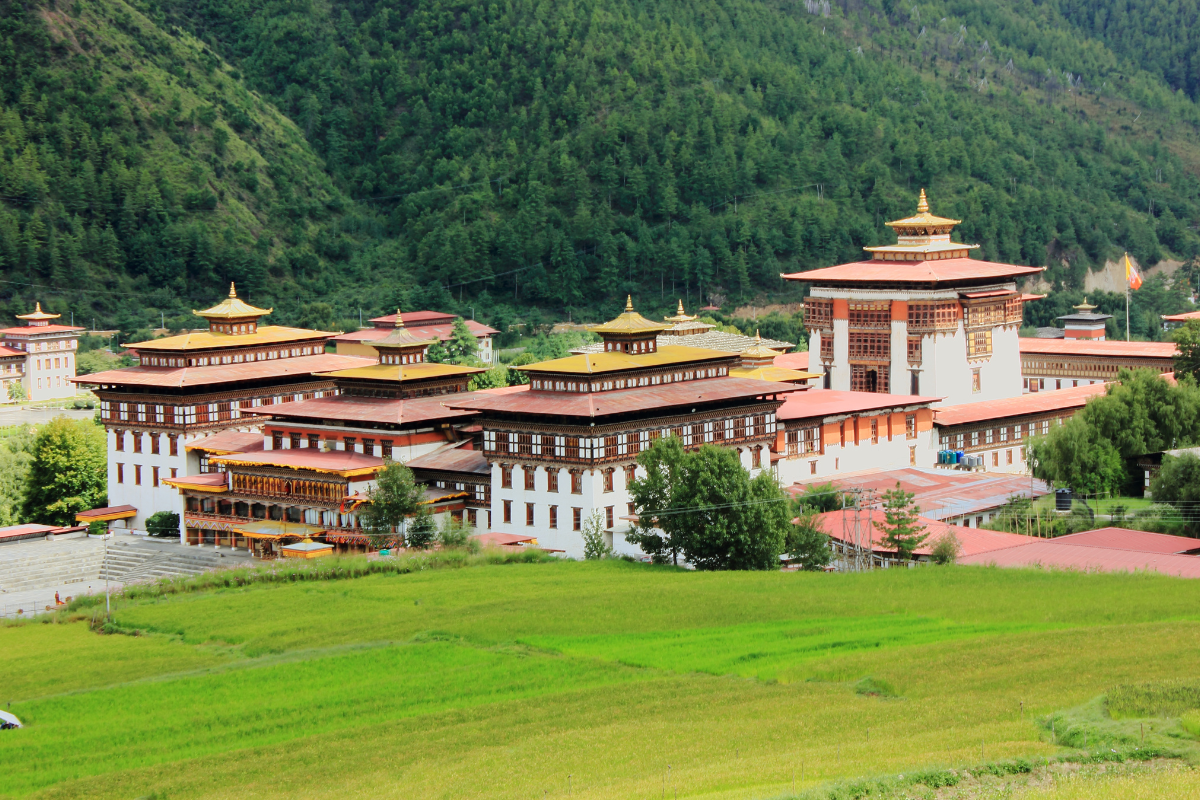
Travel to Bhutan from Australia offers a rare opportunity to explore one of the most serene and culturally rich destinations in the world. Nestled in the eastern Himalayas, Bhutan is renowned for its breathtaking landscapes, vibrant festivals and strong commitment to preserving its environment and cultural heritage. For Australians, understanding when to visit is essential, as the country’s diverse climate and distinct seasons can greatly shape your overall experience.
Many travellers rely on the expertise of the Best Bhutan Travel Agency to help determine the ideal season based on their interests whether trekking, festival exploration or simply unwinding amidst pristine nature.
This guide explores the best time to travel to Bhutan from Australia, highlighting each season’s unique offerings, from the blossoming valleys of spring to the snow-dusted tranquillity of winter. Whatever your travel style, this seasonal breakdown will help you plan a journey perfectly aligned with your preferences and ensure an unforgettable Himalayan adventure.
Understanding Bhutan’s Climate
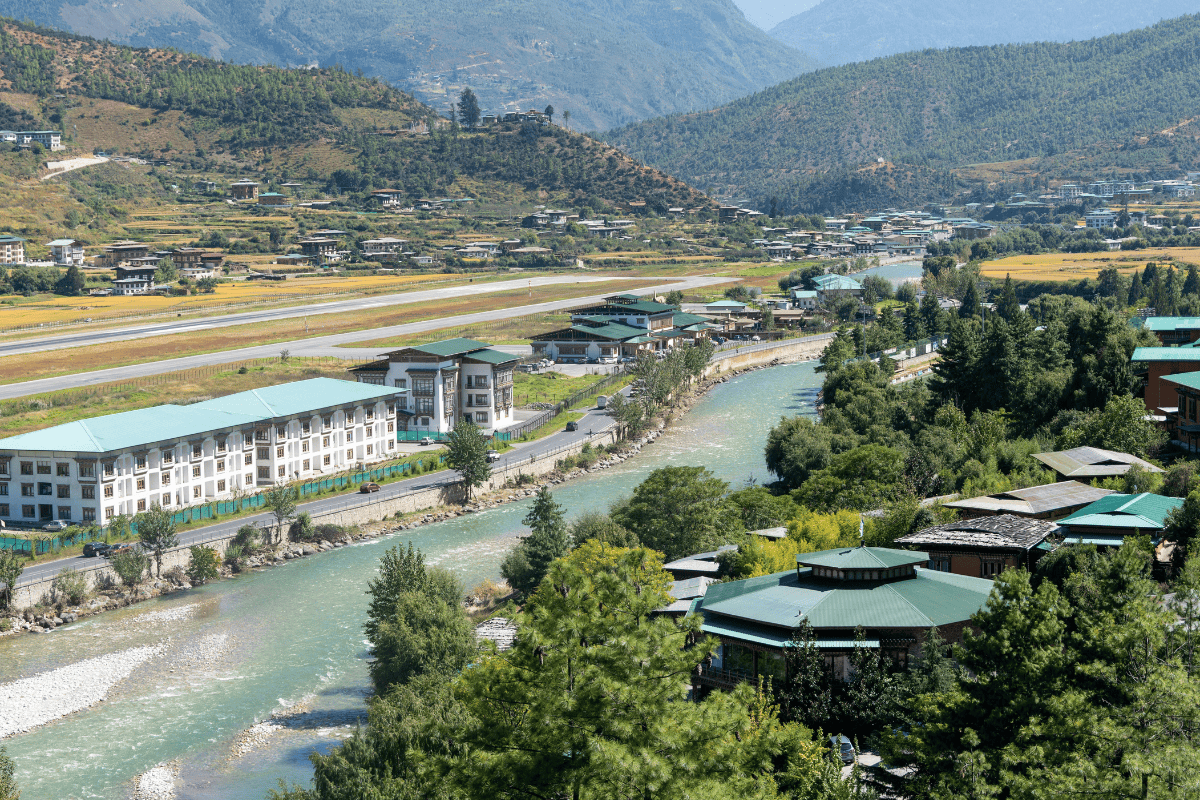
Travel to Bhutan from Australia requires more than just booking flights and accommodations; it demands an understanding of Bhutan’s unique climate. Bhutan’s terrain ranges from subtropical plains in the south to the towering peaks of the Himalayas in the north. These geographical variations create a patchwork of microclimates, where weather can change dramatically within a few kilometers.
For instance, the Paro Valley may experience clear skies while higher-altitude regions like Bumthang may be enveloped in mist or light snowfall. Travelers from Australia, who are used to relatively predictable weather patterns, should prepare for variability.
Bhutan experiences four distinct seasons, each offering a different lens through which to experience its beauty. Spring brings blooming flowers and gentle weather. Summer offers lush greenery and occasional rain showers. Autumn is characterized by crisp skies, mild temperatures, and vibrant festivals. Winter provides serenity, occasional snow, and clear mountain vistas. Understanding these seasonal nuances is crucial to planning a successful trip.
Spring in Bhutan (March to May)
Spring is widely regarded as one of the best times for Australians to travel to Bhutan, offering a perfect balance of comfortable weather, stunning landscapes, and vibrant cultural experiences. During these months, Bhutan awakens from winter, transforming its valleys and hillsides into a spectacular tapestry of colors, with rhododendrons, magnolias, and other alpine flowers in full bloom.
Climate and temperatures: Daytime temperatures in lower valleys range from 15°C to 25°C, providing ideal conditions for outdoor activities. Higher elevations remain cooler, and nights can still be chilly, making layered clothing essential for comfort during treks and early-morning explorations.
Why spring is ideal:
- Stunning natural beauty: Spring provides unmatched opportunities for photography, birdwatching, and hiking. Iconic regions such as Paro, Punakha, and Thimphu are at their most vibrant, with colorful blossoms and verdant landscapes creating picture-perfect vistas.
- Outdoor activities: Pleasant temperatures make trekking, river rafting, and sightseeing particularly enjoyable. The Tiger’s Nest Monastery hike, one of Bhutan’s most famous adventures, is best experienced in clear spring weather with crisp, cool air enhancing comfort and safety.
- Moderate tourist traffic: Although spring is a popular season, it tends to be less crowded than autumn, allowing Australians to engage more intimately with Bhutanese culture and natural surroundings
Cultural immersion:
Spring coincides with several important festivals. The Paro Tsechu, held in March or April depending on the lunar calendar, is a must-see. Visitors witness traditional masked dances, ceremonial rituals, and chanting, offering a genuine glimpse into Bhutanese spirituality. For Australians, attending this festival provides a rare chance to connect with local traditions, observe intricate performances, and appreciate Bhutan’s rich cultural heritage firsthand.
Practical tips for Australians:
- Pack multiple layers, including a light jacket, warm sweater, and comfortable walking shoes suitable for varied terrain.
- Bring a hat, sunglasses, and sunscreen, as spring sun can be intense at higher elevations.
- Book accommodations early during festival periods to secure prime locations and avoid last-minute shortages.
- Carry a small daypack with water, snacks, and essentials for trekking or day trips.
Spring in Bhutan offers a harmonious blend of natural splendor, cultural richness, and comfortable weather, making it an ideal season for Australians seeking both adventure and immersive experiences.
Summer in Bhutan (June to August)
Summer in Bhutan, coinciding with the monsoon season, is less frequented by international travelers but offers a unique and rewarding perspective of the country’s lush landscapes. Heavy rains transform valleys and mountains into vibrant green paradises, with mist-shrouded peaks, roaring rivers, and cascading waterfalls creating a dramatic yet serene atmosphere.
Why consider summer travel:
- Verdant landscapes: The monsoon rejuvenates Bhutan’s flora, making it an ideal time for nature photography and exploring scenic beauty. The Punakha Valley, with its terraced rice fields and forested hills, becomes particularly picturesque during this season.
- Fewer tourists: Popular attractions are less crowded, giving Australians the opportunity to experience cultural and natural sites more intimately. This quieter season allows for a more personal and reflective travel experience.
- Cost-effective travel: Many licensed tour operators offer discounted packages during the monsoon season, providing value while still including accommodations, meals, and guided tours.
Activities suitable for summer:
- Explore cultural sites, dzongs, and monasteries, which are generally accessible despite rainfall.
- Take scenic drives and short hikes in lower-altitude valleys, where trails are safer and more manageable.
- Witness Bhutan’s rivers and waterfalls in full flow, offering spectacular natural displays not seen in other seasons.
Practical tips for Australians:
- Pack waterproof clothing, quick-drying shoes, and rain gear to stay comfortable during sudden downpours.
- Carry insect repellent, particularly for the southern regions where humidity attracts mosquitoes.
- Remain flexible with itineraries, as some trekking trails or high-altitude routes may be temporarily closed due to landslides or heavy rain.
- Consider indoor cultural activities or museum visits on particularly wet days.
While summer travel may require extra planning and flexibility, it offers Australians a distinctive, authentic Bhutanese experience highlighting the country’s natural rhythms, vibrant greenery, and serene landscapes often missed during the more popular spring and autumn seasons.
Autumn in Bhutan (September to November)
Autumn is widely considered the optimal season for Australians to travel to Bhutan, combining comfortable weather, breathtaking landscapes, and rich cultural experiences. After the monsoon season, the valleys and mountains are refreshed, offering crisp air, clear skies, and vibrant scenery that make sightseeing and outdoor activities highly enjoyable.
Climate and temperatures: Daytime temperatures range from 10°C in higher-altitude areas to around 25°C in the valleys, providing ideal conditions for trekking, sightseeing, and photography. The retreat of the monsoon also reduces humidity and minimizes travel disruptions, making it one of the most reliable times for exploring Bhutan’s diverse regions.
Highlights of autumn travel:
- Perfect visibility: With minimal haze and clear skies, the Himalayan peaks are fully visible, offering spectacular vistas in locations such as Paro, Thimphu, and Bumthang. Photographers and nature enthusiasts will find autumn ideal for capturing the country’s dramatic landscapes.
- Harvest season: Autumn is harvest time in Bhutan. Travelers can observe rice, maize, and other crops being gathered, providing a unique opportunity to witness traditional agricultural practices and engage with rural communities.
- Festival season: Thimphu Tsechu, one of Bhutan’s largest and most colorful festivals, takes place during this season. Over several days, locals and visitors alike enjoy religious dances, music, and traditional ceremonies that showcase Bhutanese spirituality and cultural heritage.
Practical tips for Australians:
- Book flights and accommodations well in advance, as autumn is peak tourist season.
- Bring a lightweight jacket for cooler mornings and evenings, along with comfortable walking or trekking shoes.
- Plan photography sessions during clear days to make the most of optimal visibility and natural lighting.
Autumn offers a harmonious blend of pleasant weather, cultural richness, and natural beauty, allowing Australians to explore Bhutan fully while engaging deeply with its traditions and landscapes. It is a season that balances adventure, relaxation, and cultural immersion perfectly.
Winter in Bhutan (December to February)
Winter in Bhutan offers a serene and introspective travel experience, perfect for Australians seeking peace, calm landscapes, and cultural immersion. With fewer tourists visiting during this season, travelers can enjoy a slower pace and a more personal connection with the country’s heritage and natural beauty.
Climate and temperatures: In valleys such as Thimphu and Paro, daytime temperatures generally range from 5°C to 20°C, while higher-altitude regions like Bumthang and Phobjikha may experience snowfall, icy paths, and sub-zero temperatures. The crisp air and clear skies make for excellent visibility of the Himalayan peaks, creating breathtaking scenery.
Highlights of winter travel:
- Serene landscapes: Snow-dusted mountains, misty valleys, and quiet monasteries create a magical backdrop for exploration and photography. The calm atmosphere allows for reflection and an immersive connection with nature.
- Lower tourist numbers: With fewer visitors, Australians can explore Bhutanese cities, valleys, and cultural sites without crowds. This enables more meaningful interactions with locals and deeper appreciation of traditional practices.
- Clear skies: Crisp, sunny days are ideal for photography, scenic drives, and outdoor walks in the lower valleys. The light enhances the colors of dzongs, temples, and monasteries against snow-capped peaks.
Activities and experiences: While high-altitude trekking is generally not recommended due to snow and freezing conditions, lower valleys remain accessible. Travelers can explore monasteries, dzongs, museums, and cultural landmarks comfortably. Winter also offers opportunities for indoor experiences such as cooking classes, art workshops, and traditional craft demonstrations, providing a comprehensive understanding of Bhutanese culture.
Practical tips for Australians:
- Pack thermal layers, gloves, scarves, and a warm hat to stay comfortable at higher elevations.
- Plan itineraries considering shorter daylight hours, ensuring sufficient time for sightseeing and safe travel between destinations.
- Prioritize indoor cultural experiences or shorter daytime excursions to make the most of the season’s calm and reflective ambiance.
Winter in Bhutan is a season of tranquility and clear, crisp beauty, offering Australians a unique chance to experience the country in a contemplative, almost private way, connecting deeply with both its landscapes and its rich cultural heritage.
Key Festivals and Cultural Events
Bhutan’s festivals, known as tsechus, are lively and colorful celebrations that showcase the country’s spiritual depth and cultural richness. Planning your travel to Bhutan from Australia to coincide with these events allows for an immersive experience of Bhutanese traditions, rituals, and community life.
Paro Tsechu (Spring): Held in March or April, Paro Tsechu is one of Bhutan’s most famous festivals. Visitors can witness traditional masked dances, intricate rituals, and cultural performances that have been passed down for generations. The festival is not only a visual spectacle but also a spiritual experience, with locals and monks gathering to seek blessings and celebrate communal harmony.
Thimphu Tsechu (Autumn): Taking place in September or October, this five-day festival is one of the largest in Bhutan. It features vibrant processions, religious ceremonies, and spectacular masked dances that depict stories of Bhutanese mythology and Buddhist teachings. For Australians, it is a unique opportunity to observe the convergence of faith, art, and community in an authentic setting.
Jambay Lhakhang Drup (Autumn/Winter): Celebrated in late autumn to early winter, this festival is notable for fire blessings, sacred dances, and public participation. It takes place at one of Bhutan’s oldest temples and offers an intimate glimpse into local traditions, highlighting the community’s spiritual devotion and festive spirit.
Punakha Dromche (Winter): Occurring in the serene Punakha Valley, this festival is smaller in scale but rich in cultural significance. It features processions, ceremonial dances, and rituals that provide insight into the valley’s unique religious and social life.
Attending these festivals allows Australians not only to enjoy vibrant performances and celebrations but also to gain a deeper understanding of Bhutanese customs, arts, and spirituality. Beyond entertainment, these events exemplify Bhutan’s dedication to preserving its cultural heritage while fostering a strong sense of community.
Practical Travel Tips for Australians
Australians planning to travel to Bhutan should prepare carefully to ensure a smooth and enjoyable journey. Here are essential considerations and tips:
Visa and permits: All international visitors must book their trip through a licensed Bhutanese tour operator, as independent travel is not allowed. Your tour operator arranges visa clearance and the mandatory Sustainable Development Fee (SDF), which supports healthcare, education, and conservation programs. Ensure you provide accurate passport details and complete all required documentation well in advance.
Health and safety: Carry necessary medications, a basic first-aid kit, and ensure travel insurance covers health emergencies. Check with your doctor for recommended vaccinations or health advisories, particularly if you plan to trek in higher-altitude regions. Staying hydrated and acclimatizing gradually is important to avoid altitude sickness.
Clothing and gear: Bhutan’s climate varies greatly depending on altitude and season. Layered clothing is essential for temperature changes throughout the day. Pack comfortable walking shoes for trekking and sightseeing, and bring hats, sunglasses, and scarves for sun protection and temple visits. Waterproof jackets are recommended during monsoon season.
Connectivity and communication: Internet access may be limited or slower in remote areas. Plan offline navigation options, such as maps or downloaded guides, and arrange communication methods in advance. Mobile coverage is generally better in cities and valleys but can be patchy in mountainous regions.
Cultural etiquette: Bhutanese culture is deeply spiritual and community-oriented. Show respect by dressing modestly, removing shoes before entering temples, and following local customs. Avoid touching religious objects or interrupting ceremonies, and be mindful when taking photographs, especially in sacred spaces.
By following these practical tips, Australians can travel comfortably and respectfully, ensuring a safe, immersive, and culturally enriching experience in Bhutan.
Planning Your Itinerary by Season
Matching your itinerary to Bhutan’s seasons is key to maximizing both comfort and the richness of your experience. Each season offers unique landscapes, cultural events, and activities, allowing Australians to tailor their trip to personal interests while navigating weather conditions safely.
Spring (March to May): Spring is perfect for trekking, nature walks, and exploring Bhutan’s blossoming valleys. Paro Valley, Punakha, and Phobjikha are particularly vibrant during this time, with rhododendrons and magnolias in full bloom. Festivals such as Paro Tsechu provide opportunities for cultural immersion, while pleasant temperatures make hiking and outdoor activities enjoyable.
Summer (June to August): The monsoon season brings lush greenery and dramatic landscapes but also rainfall, which can affect high-altitude trekking. Focus on cultural tours, scenic drives, and city explorations in Thimphu, Paro, and Punakha. Lower elevation valleys remain accessible, and off-peak travel reduces crowding while offering more affordable tour packages.
Autumn (September to November): Autumn offers clear skies, crisp air, and vibrant festival celebrations, making it ideal for trekking, sightseeing, and photography. Travelers can combine adventure with cultural experiences, witnessing harvests and attending events like Thimphu Tsechu. Photographers will especially appreciate the visibility of the Himalayan peaks and the rich colors of the landscape.
Winter (December to February): Winter provides tranquility and fewer tourists, perfect for exploring valleys, monasteries, and local communities. While high-altitude treks may be limited due to snow, lower valleys such as Punakha and Paro remain accessible. Clear skies offer stunning mountain vistas, and the slower pace allows Australians to engage more deeply with Bhutanese culture and daily life.
Strategically planning your itinerary according to the season ensures a seamless travel experience. Australians can enjoy the highlights of Bhutan from its scenic landscapes to vibrant cultural events without compromising safety, comfort, or the ability to fully immerse themselves in this Himalayan gem.
Cost Considerations for Travel to Bhutan from Australia
Bhutan operates under a “High Value, Low Volume” tourism policy, designed to preserve its culture and environment while ensuring that tourism benefits local communities. This approach directly affects travel costs, making budgeting an essential part of planning your trip from Australia.
Tour packages: Most international travelers must book through licensed Bhutanese tour operators, which provide comprehensive packages that typically include accommodation, meals, guide services, and transportation within the country. Prices can vary widely depending on the season, the quality of accommodations, and the level of personalized services offered. Luxury packages may include 4–5 star hotels, private guides, and specialized excursions, while standard packages cover comfortable hotels, shared guides, and group transport.
Sustainable Development Fee (SDF): In addition to package costs, all visitors pay a mandatory daily fee called the SDF. This fee supports Bhutan’s healthcare system, education initiatives, and environmental conservation programs. Paying this fee helps maintain the country’s high standards of well-being and sustainability.
Seasonal variation: Travel costs fluctuate according to the season. Peak travel periods, such as spring (March to May) and autumn (September to November), coincide with ideal weather and major festivals, resulting in higher prices. Conversely, summer (monsoon season) and winter (cooler, quieter months) typically offer more affordable rates. Travelers from Australia can take advantage of these off-peak periods for lower prices and fewer crowds.
Additional expenses: Beyond packages and fees, Australians should account for other costs such as souvenirs, optional excursions (e.g. cultural workshops), and festival attendance. These experiences enrich your trip but may require additional budgeting.Budgeting tips: Planning finances ahead of time ensures a smoother travel experience. Compare different tour packages, clarify what is included, and allocate extra funds for optional activities. By understanding the breakdown of costs and seasonal variations, Australians can make informed choices, ensuring both an enjoyable and stress-free journey to Bhutan.
Sustainable Travel Practices in Bhutan
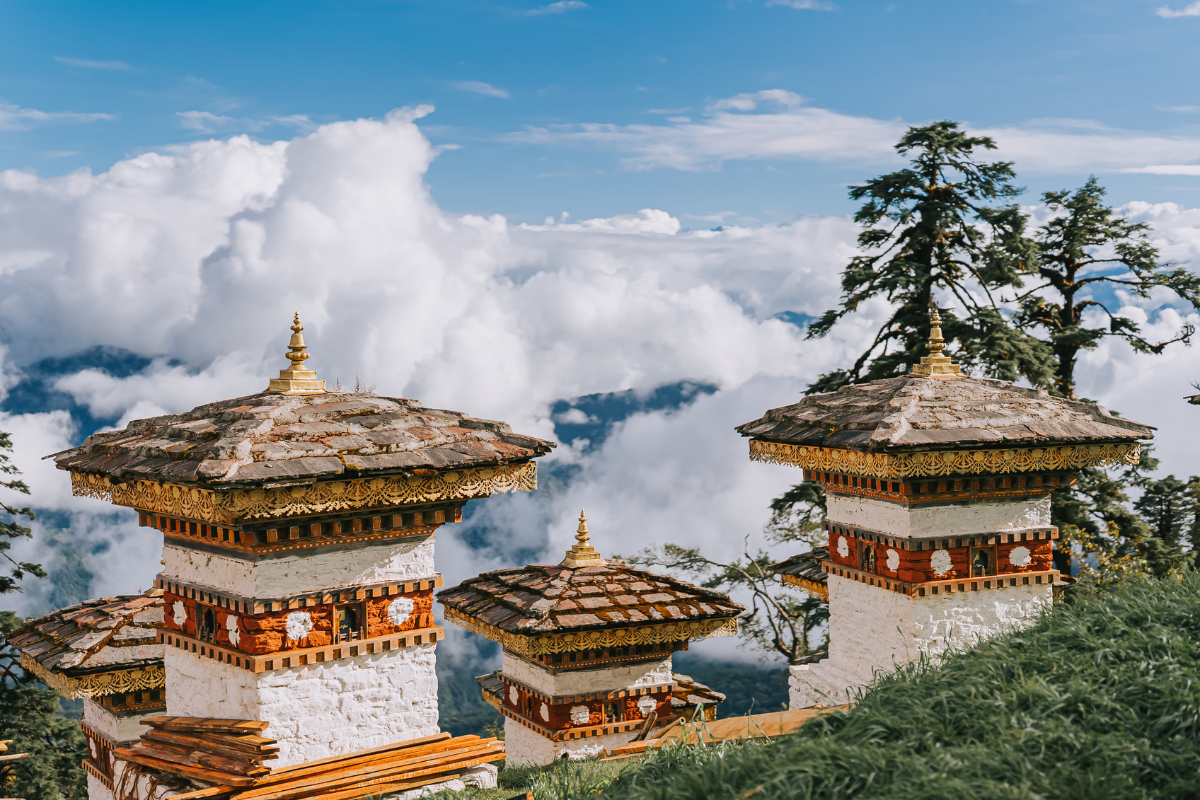
Bhutan places a strong emphasis on environmentally and culturally responsible tourism, ensuring that both its natural landscapes and rich traditions are preserved for future generations. Travelers from Australia can actively contribute to this effort by adopting mindful practices throughout their journey.
Minimizing plastic use: Bring reusable water bottles, shopping bags, and containers. Single-use plastics are discouraged in Bhutan, and using alternatives helps reduce waste that could harm fragile ecosystems. Many hotels and tour operators now provide water refill stations to support this initiative.
Supporting local businesses and artisans: Purchasing handicrafts, souvenirs, and locally made products not only sustains Bhutanese communities but also helps preserve traditional arts and crafts. From handwoven textiles to intricate woodwork, every purchase supports local families and the cultural heritage of the country.
Respecting cultural norms and sacred sites: Bhutanese culture is deeply spiritual, and visitors are expected to dress modestly, remove shoes when entering temples, and follow photography guidelines. Respecting these customs ensures that cultural integrity is maintained while fostering meaningful interactions with local communities.
Following guidance from licensed tour operators: Licensed operators provide structured itineraries that minimize environmental impact. By sticking to designated trails, avoiding littering, and following eco-friendly transport options, travelers reduce their ecological footprint.
By incorporating these sustainable practices, Australians can enjoy a fully authentic Bhutanese experience, connecting deeply with both nature and culture. At the same time, these actions contribute to the long-term preservation of Bhutan’s unique landscapes, wildlife, and cultural heritage, ensuring that future visitors can experience the same wonders in all their pristine beauty.
Conclusion
Timing is key when planning to travel to Bhutan from Australia. Spring and autumn are ideal for trekking, sightseeing, and festivals, while summer showcases lush landscapes, and winter offers tranquility and snowy vistas. By understanding seasonal variations, aligning itineraries with festivals, preparing for practical considerations, and practicing sustainable travel, Australians can enjoy a fully immersive and unforgettable journey in Bhutan.Travel to Bhutan from Australia is more than a vacation. It’s an exploration of culture, spirituality, and natural beauty, tailored to the season and designed to create lifelong memories.